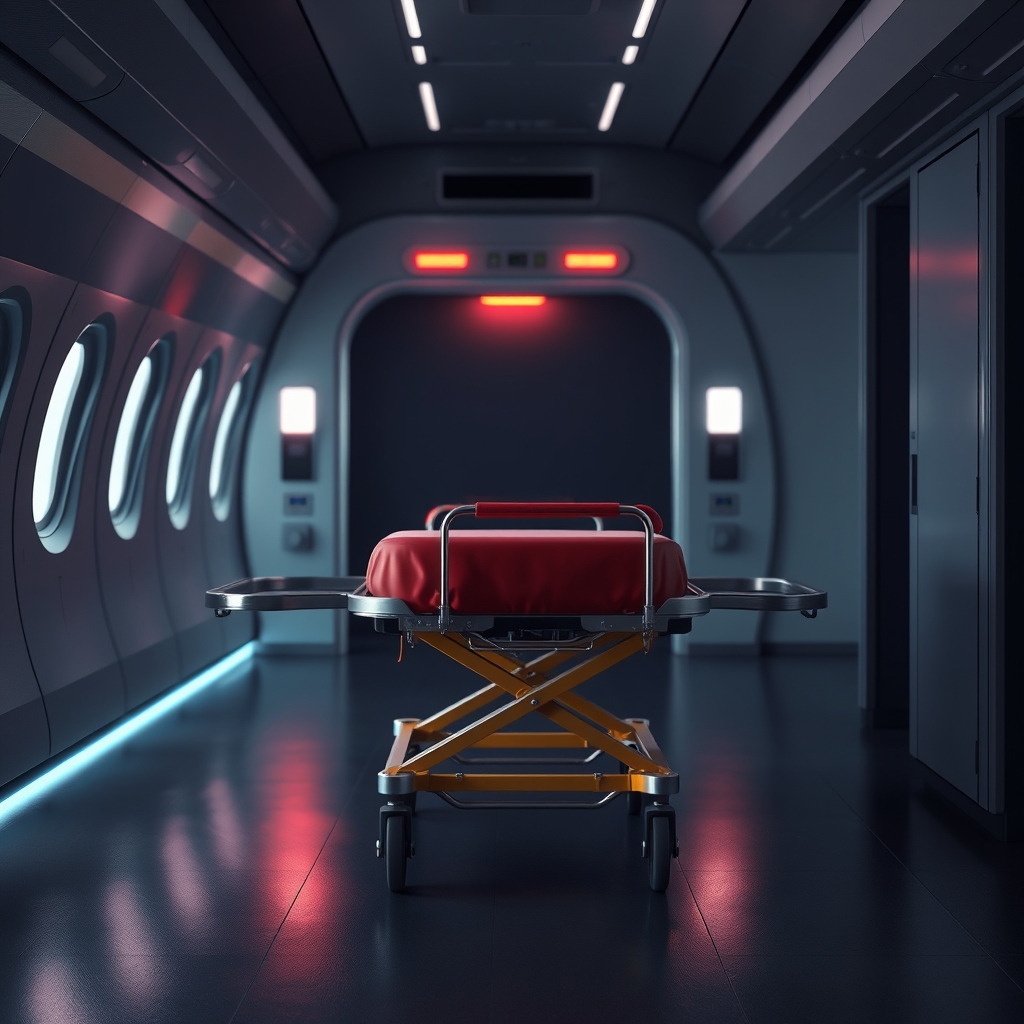
The Complete Guide to Commercial Airline Stretcher Services for Safe Medical Transport
When a loved one or patient requires medical evacuation across long distances, the need for a becomes paramount. This specialized service allows individuals who are medically stable but unable to sit upright during flight to travel safely on scheduled commercial flights. Unlike dedicated air ambulances, commercial stretcher services offer a cost-effective alternative while maintaining high standards of medical care. In this comprehensive guide, we explore everything you need to know about commercial airline stretcher solutions, from booking procedures to in-flight medical support.
Learn more about airline stretcher Canada and how it applies to your specific needs.
For families in Canada, particularly those residing in the western provinces, accessing reliable medical transport can be challenging. The network provides a lifeline for patients who need to travel between cities or to specialized treatment centers. These services are carefully coordinated with airlines, medical teams, and ground transport to ensure seamless door-to-door care. Whether you are arranging transport for a senior with mobility issues or a patient recovering from surgery, understanding the nuances of this service is essential.
What Is a Commercial Airline Stretcher?
A commercial airline stretcher is a specially designed medical bed that can be installed on a scheduled commercial flight. It typically occupies the space of six to nine passenger seats, allowing the patient to lie flat during the journey. The stretcher is secured to the aircraft floor using certified restraints, and a medical escort—often a nurse or paramedic—accompanies the patient throughout the flight. This setup is ideal for patients who require continuous monitoring but do not need intensive care unit (ICU) level support.
The process begins with a medical assessment to determine if the patient is fit for commercial travel. Once approved, the service provider coordinates with the airline to block the necessary seats and install the stretcher. Airlines such as Air Canada, WestJet, and others have specific protocols for accommodating stretcher patients. In regions like Alberta, the services are particularly well-established due to the province’s vast geography and need for intercity medical transfers.
Benefits of Choosing Commercial Stretcher Transport
Opting for a commercial airline stretcher over a dedicated air ambulance offers several advantages. First, the cost is significantly lower—often 50–70% less than a private medical jet. Second, patients can travel on regular flight schedules, making planning easier for families. Third, the medical escort ensures that the patient receives professional care without the need for a full medical team. For those requiring , this option balances affordability with safety.
Additionally, commercial flights have access to a wider range of destinations compared to air ambulances, which may be limited by airport size. This is especially beneficial for patients traveling to smaller cities or remote communities. The medical escort can administer medications, monitor vital signs, and manage any in-flight emergencies. While the patient is not in an ICU, the level of care is sufficient for stable patients who need to remain supine.
Booking a Commercial Airline Stretcher: Step-by-Step
Arranging a commercial airline stretcher involves several critical steps. First, contact a reputable medical transport company that specializes in this service. They will conduct a medical assessment and obtain clearance from the airline. Next, the company will reserve the required seats and coordinate with airport ground staff for stretcher boarding. On the day of travel, the patient is transported to the airport via ambulance or medical van, then boarded using a specialized loading ramp or lift.
Learn more about commercial airline stretcher alberta and how it applies to your specific needs.
During the flight, the medical escort stays with the patient at all times. The stretcher is positioned in a designated area, usually near a lavatory for convenience. After landing, ground transport takes the patient to the final destination, such as a hospital or home. In Alberta, the services often complement commercial stretcher options, providing critical care for patients who need more intensive support. However, for stable patients, the commercial route is often sufficient.
Medical Considerations and Patient Eligibility
Learn more about stretcher patient transport and how it applies to your specific needs.
Not every patient is a candidate for commercial airline stretcher transport. Eligibility depends on several factors, including the patient’s medical stability, oxygen requirements, and ability to tolerate the flight environment. The medical escort will assess the patient before departure and may recommend alternative transport if risks are too high. Common conditions that qualify include post-surgical recovery, spinal injuries requiring immobilization, and advanced-stage illnesses where comfort is prioritized.
It is also important to consider the duration of the flight. Longer flights may require additional medical supplies, such as portable oxygen concentrators or suction equipment. The transport company will ensure all necessary equipment is on board and approved by the airline. For patients in Alberta, the providers are experienced in handling these logistics, making the process smoother for families.
Cost Comparison: Commercial Stretcher vs. Air Ambulance
One of the most common questions is about cost. A commercial airline stretcher typically costs between $5,000 and $15,000 for a domestic flight, depending on distance and airline fees. In contrast, an air ambulance can cost $20,000 to $50,000 or more for the same route. Insurance coverage varies; some health insurance plans may cover part of the cost if deemed medically necessary. It is advisable to check with your provider before booking.
For those seeking on a budget, the commercial option is often the most viable. However, patients who require intensive monitoring or have unstable conditions may still need an air ambulance. The choice ultimately depends on the patient’s medical needs and financial resources.
In-Flight Medical Support and Safety Protocols
Safety is the top priority during commercial airline stretcher transport. The medical escort is trained to handle emergencies, and the stretcher is equipped with safety straps and padding. The flight crew is briefed on the patient’s condition and any special requirements. In the unlikely event of a medical emergency, the escort can communicate with ground-based physicians via satellite phone.
Learn more about air ambulance alberta and how it applies to your specific needs.
Airlines also have specific policies regarding stretcher placement. The stretcher is usually installed in the bulkhead area or a row of seats that can be removed. The patient’s head is positioned toward the front of the aircraft to minimize motion sickness. These protocols ensure a comfortable and safe journey for the patient and other passengers.
FAQs
How far in advance do I need to book a commercial airline stretcher?
It is recommended to book at least 48 to 72 hours in advance, though last-minute arrangements may be possible depending on airline availability. The medical assessment and coordination require time, so early booking is advised.
Can a family member travel with the patient?
Yes, in most cases a family member can accompany the patient, provided they purchase a separate ticket. The medical escort will be the primary caregiver, but family presence can provide emotional support.
Is oxygen available on commercial flights for stretcher patients?
Yes, but the patient must bring their own portable oxygen concentrator (POC) approved by the airline. The medical escort will monitor oxygen levels and adjust as needed.
What happens if the patient’s condition deteriorates during the flight?
The medical escort is trained to handle emergencies and will follow established protocols. The flight crew can assist, and the aircraft can be diverted if necessary, though this is rare for stable patients.
Conclusion
Commercial airline stretcher services offer a practical and cost-effective solution for patients who need to travel while lying flat. With proper planning and professional medical support, these services ensure safe and comfortable transport across Canada and beyond. Whether you are in Alberta or elsewhere, understanding the process and working with experienced providers can make all the difference. For more information on and stretcher options, consult a specialist today.