Elegant and Effortless Hairstyles for Women Over 60 to Refresh Your Look
Turning 60 is a milestone that often brings a sense of freedom and confidence. Your style should reflect that. The right haircut can enhance your natural beauty, complement your features, and make daily styling a breeze. Whether you prefer something short and sassy or long and layered, there are countless hairstyles for women over 60 that are both chic and manageable. In this guide, we explore a variety of flattering options, along with tips for choosing the perfect cut for your face shape and hair texture.
Why the Right Cut Matters After 60
As we age, our hair naturally becomes thinner and may lose some of its former volume. This doesn’t mean you have to settle for a boring style. On the contrary, a well-chosen haircut can add the illusion of thickness, frame your face beautifully, and even take years off your appearance. The key is to work with your hair’s natural texture and choose a style that is easy to maintain while still looking polished. Many women find that a good cut reduces styling time significantly, giving them more time to enjoy life.
Short and Sassy: Pixie Cuts and Crops
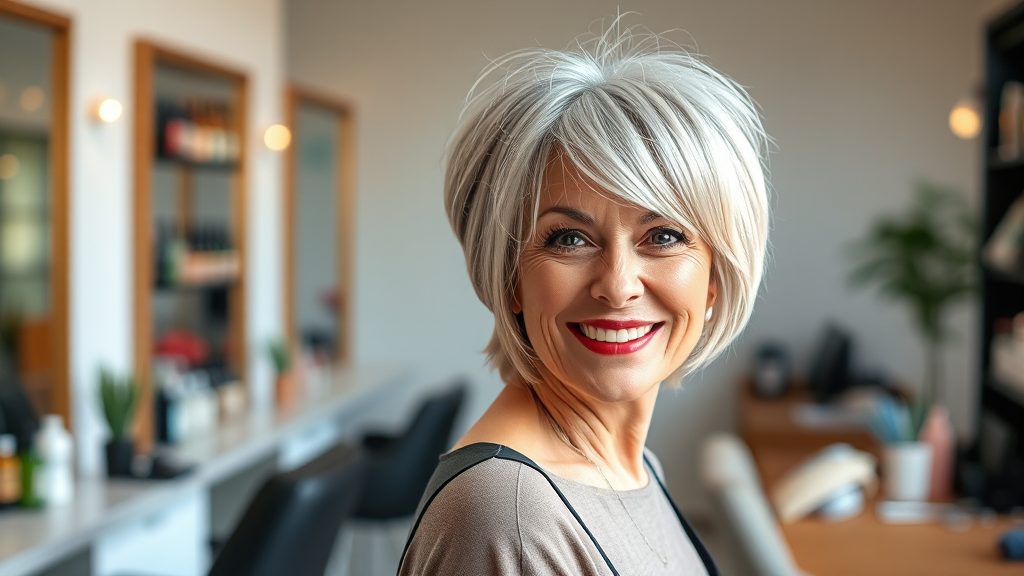
Short hairstyles are a perennial favorite among women over 60, and for good reason. They are incredibly easy to care for, keep you cool in the summer, and can be incredibly stylish. The classic pixie cut is a versatile choice that can be tailored to suit any face shape. Whether you opt for a sleek, close-cropped version or one with longer layers on top, a pixie can highlight your cheekbones and eyes. For those who want a bit more texture, a hairstyles for women over 60 with a shaggy, layered crop offers a modern, carefree vibe. This style adds movement and volume, making it perfect for fine hair.
Medium-Length Marvels: The Shag and the Bob
If you’re not ready to go super short, medium-length cuts are a wonderful middle ground. The shag haircut, with its choppy layers and face-framing pieces, has made a major comeback and is particularly flattering for mature women. It adds a sense of youthful energy and can be styled in numerous ways—from tousled and textured to sleek and straight. Another standout is the classic bob. Whether you choose a chin-length bob, a longer lob, or an asymmetrical version, this cut is timeless. Adding soft layers or a side-swept bang can soften your features and create a more contemporary look. For inspiration, exploring different hairstyles for women over 60 can help you visualize how these cuts might look on you.
Longer Locks: Embrace Your Length
There is no rule that says you must cut your hair short as you age. Many women over 60 rock long, flowing locks with grace and elegance. The secret to pulling off longer hair is to keep it healthy and well-layered. Long layers can add movement and prevent your hair from looking flat or stringy. Consider adding soft, face-framing highlights to brighten your complexion and add dimension. If you love your long hair but want a bit more ease, a long shag with curtain bangs is a fantastic option. It’s a style that looks effortlessly chic and can be air-dried for a casual day or styled with a curling wand for special occasions.
Styling Tips for Mature Hair
Once you’ve chosen your perfect cut, the right styling techniques can make all the difference. Here are some essential tips for keeping your hair looking its best after 60:
- Volume Boosters: Use volumizing mousses and root-lifting sprays to give your hair a fuller appearance. Apply them at the roots before blow-drying.
- Texture Sprays: Sea salt sprays and texturizing powders can add grip and body, especially if your hair is fine. They are perfect for creating that effortless, tousled look.
- Heat Protection: Always use a heat protectant spray before using hot tools like straighteners or curling irons. This prevents damage and keeps your hair shiny.
- Regular Trims: Even if you’re growing your hair out, regular trims every 6-8 weeks are crucial to keep split ends at bay and maintain the shape of your cut.
- Embrace Your Gray: If you have natural gray hair, let it shine! Silver and white hair can be stunning. Use purple shampoo to keep it bright and free of yellow tones.
Choosing the Right Style for Your Face Shape
Your face shape plays a significant role in determining which hairstyle will suit you best. Here is a quick guide:
- Oval Face: You can pull off almost any style! From pixies to long layers, the world is your oyster.
- Round Face: Opt for styles that add height and length, like a layered pixie or a long bob that falls below the chin. Avoid chin-length bobs that can make your face look wider.
- Square Face: Soften strong jawlines with styles that have soft waves, side-swept bangs, or layers that frame the face. A shag with curtain bangs works beautifully.
- Heart-Shaped Face: Balance a wider forehead with a chin-length bob or a style with side-swept bangs. Avoid heavy, straight-across bangs that can emphasize the forehead.
Low-Maintenance Options for Busy Women
Not everyone has the time or desire to spend hours on their hair. If you prefer a wash-and-go lifestyle, there are plenty of low-maintenance cuts. A classic short crop or a textured pixie can often be styled simply by running your fingers through it after applying a bit of styling cream. Perms are also making a comeback for those who want natural-looking waves without daily styling. A soft body wave or a spiral perm can add volume and texture that lasts for months, making your morning routine a cinch.
Conclusion
Your 60s are a time to celebrate your style and confidence. With so many beautiful and practical hairstyles for women over 60 to choose from, there is no reason to feel limited. Whether you decide to go for a chic pixie, a flattering shag, or keep your length, the most important thing is that you feel like yourself. Consult with your stylist, consider your face shape and lifestyle, and don’t be afraid to try something new. A great haircut can be a powerful confidence booster, and you deserve to look and feel amazing at any age.
Frequently Asked Questions
What is the most popular hairstyle for women over 60?
The most popular styles tend to be short to medium-length cuts, such as the pixie, the bob, and the shag. These cuts are versatile, easy to maintain, and can be tailored to suit different face shapes and hair textures.
Can women over 60 wear long hair?
Absolutely! Long hair can be very flattering if it is kept healthy and well-layered. Adding layers and face-framing pieces helps to create movement and prevent the hair from looking flat or heavy.
What is the best haircut for fine hair over 60?
For fine hair, a layered cut is often the best choice. Layers add volume and texture, making the hair appear thicker. A shaggy pixie or a medium-length shag are excellent options that create the illusion of fullness.
How often should I get a trim if I’m over 60?
It is generally recommended to get a trim every 6-8 weeks to keep your haircut looking its best. Regular trims prevent split ends and maintain the shape of your style, especially if you have short or layered hair.
Readers who are interested in this topic will benefit from exploring multiple perspectives and understanding the nuanced approaches that industry leaders recommend. Taking time to research thoroughly ensures better outcomes and more informed decision-making.
Those looking to gain deeper knowledge in this area should consider following expert analysis, staying updated with the latest developments, and engaging with professional communities where these topics are discussed in detail.
A comprehensive understanding of this subject requires looking at both theoretical foundations and practical applications. By combining study with hands-on experience, learners can develop a well-rounded perspective that serves them well in real-world scenarios.
As the landscape continues to shift and evolve, staying informed about emerging trends and best practices becomes increasingly valuable. This ensures you remain competitive and capable of adapting to new challenges as they arise.